
DIGITAL MARKETING
Digital marketing involves the promotion of products, services, or brands through digital channels and internet-based platforms to engage and convert target audiences. In contrast to traditional marketing, digital marketing enables businesses to interact with customers in real time, accurately measure performance, and personalize communication based on user behavior and preferences. It encompasses a variety of strategies, including search engine optimization (SEO) for improved website visibility, social media marketing (SMM) for brand awareness and community engagement, content marketing through blogs, videos, and infographics, email marketing for lead nurturing and customer retention, pay-per-click (PPC) advertising for instant traffic and conversions, and affiliate and influencer marketing to leverage trusted voices online. The primary digital channels utilized are websites, mobile apps, search engines, social media platforms, and email. A key advantage of digital marketing is its measurable and flexible nature, allowing marketers to track metrics such as website traffic, click-through rates, conversions, and return on investment (ROI) using analytics tools to refine strategies quickly. Furthermore, digital marketing is cost-effective when compared to traditional advertising, making it accessible for startups and small businesses while remaining powerful enough for large brands. In today’s technology-driven world, digital marketing is essential as consumers increasingly rely on the internet for product research, comparison, and purchases. A strong digital presence assists businesses in building trust, staying competitive, reaching a global audience, and fostering meaningful, long-term relationships with customers.
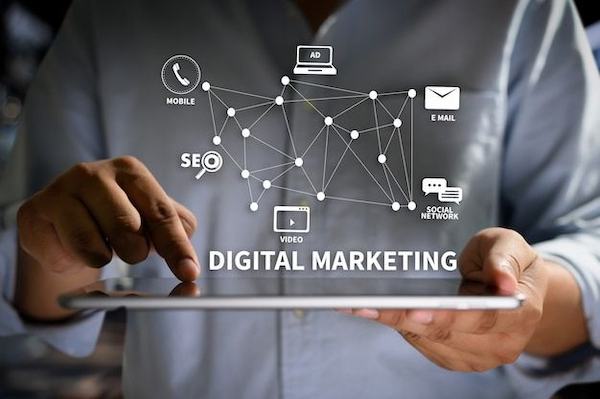
Important Aspects of Digital Marketing
Promotes products and services through online and digital platforms
Improves brand visibility and online presence across search engines and social media
Enables real-time customer engagement and communication
Cost-effective digital advertising compared to traditional marketing
Helps businesses reach targeted and global audiences
Provides data-driven insights using analytics and tracking tools
Allows personalized digital marketing strategies based on user behavior
Supports lead generation, conversions, and sales growth
Flexible and scalable for small businesses, startups, and large brands
Builds brand trust, customer loyalty, and long-term relationships